
Sharing your home with pets brings plenty of joy, laughter, and companionship. Whether you have a playful puppy, a curious cat, or both, creating a comfortable environment can make everyday life easier for everyone.
The good news is that making your home more pet-friendly does not require a complete makeover. A few thoughtful changes can help your pets feel more settled, keep your belongings organized, and make daily care routines more convenient.
Here are some simple pet-friendly home ideas to help you create a welcoming space for your furry family members.
1. Create a Comfortable Resting Space
Just like people, pets appreciate having a place where they can relax without being disturbed. Choose a quiet area of your home where your pet can rest, nap, or simply enjoy some downtime.
For dogs, a comfortable bed can provide a familiar resting spot. Consider the size of your dog and the amount of space available when choosing a bed.
The Large Plush Dog Bed Sofa from Special Pet Supply is one option to explore if you want to create a dedicated resting area for your dog.
Cats also enjoy having comfortable places to settle down. You can provide a soft blanket, a cozy corner, or an elevated resting spot that allows them to observe their surroundings.
Try to keep resting areas away from busy walkways and noisy household appliances.
2. Set Up a Convenient Feeding Station
A designated feeding area helps keep mealtimes organized and makes it easier to clean up after your pets.
Choose a location that is easy to access but does not interfere with everyday household activities. Keep food and water bowls in a consistent place so your pets can find them easily.
For cats, a feeding station can be placed somewhere quiet and separate from the litter box. In homes with multiple pets, consider separate feeding areas to reduce competition.
You may also want to explore feeding accessories such as the Interactive Duck Cat Feeder from Special Pet Supply.
Remember to wash feeding bowls regularly, provide fresh drinking water, and store pet food in a properly sealed container.
3. Keep Toys Organized and Rotate Them
Pet toys can quickly take over your living room, bedroom, or hallway. Instead of leaving everything scattered around, create a small storage area for your pet’s toys.
A basket, storage box, or designated shelf can help keep toys together and make cleanup easier.
You can also rotate toys every few days. Put some away and bring out others to give your pet something different to explore.
Special Pet Supply offers playful options for cats and dogs, including the Hot Dog Squeaky Plush Toy, Yellow Duck Plush Dog Toy, and interactive cat toys.
Always choose toys that are appropriate for your pet’s size and play habits. Supervise play when needed, inspect toys regularly, and remove anything that becomes damaged or has loose parts.
Explore more options in the Special Pet Supply Shop.
4. Give Your Cat a Designated Scratching Area
Scratching is a natural behavior for cats. Providing appropriate scratching locations can help give your cat an outlet for this activity while encouraging them to use designated surfaces.
Place a scratcher somewhere your cat already enjoys spending time. You might also position one near a favorite resting spot or in an area where your cat frequently scratches.
Special Pet Supply offers several options to explore, including:
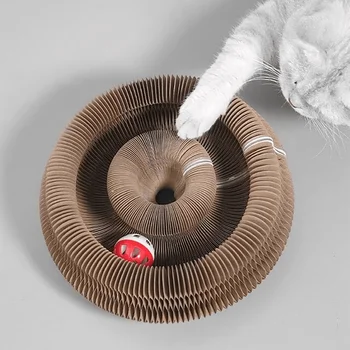
- Foldable Cat Scratcher Toy – an option for creating a designated scratching area.
- Standing Sisal Cat Scratcher – a vertical-style scratching option.
- Sisal Cat Scratching Bed – another style to consider for your cat’s environment.
Every cat has individual preferences. Some enjoy vertical scratchers, while others prefer horizontal surfaces. You may need to try different styles to discover what your cat likes.
5. Make Your Home Safer for Curious Pets
Pets explore their surroundings in different ways. Dogs may sniff and chew objects, while cats may climb, jump, and investigate small spaces.
A few basic precautions can help reduce common household risks:
- Keep cleaning products, medicines, and chemicals in secured storage.
- Store small objects that could be swallowed out of reach.
- Keep electrical cords organized and inaccessible where possible.
- Secure windows and balconies to prevent accidental falls or escapes.
- Use secure bins for household waste.
- Check that doors and gates close properly.
- Keep potentially dangerous foods away from pets.
Houseplants deserve special attention. Some plants can be harmful to cats or dogs, so check the safety of every plant before bringing it into your home. If you suspect your pet has eaten a toxic plant or household substance, contact a veterinarian or appropriate animal poison service promptly.
Pet-proofing is an ongoing process. As your pet grows or becomes more adventurous, review your home for new potential hazards.
6. Make Cleaning Easier With Simple Habits
Pet hair, muddy paws, scattered litter, and everyday messes are part of sharing a home with animals. A few consistent habits can make cleaning more manageable.
Consider keeping these items in convenient locations:
- A washable mat near the entrance.
- Cleaning cloths for quick spills.
- A pet-safe cleaning product suitable for the surface.
- A brush or vacuum designed to help manage pet hair.
- A small storage container for grooming supplies.
Wash pet bedding and blankets according to their care instructions. Clean feeding areas regularly, and remove loose fur from favorite resting spots.
For dog owners who travel frequently, a Waterproof Dog Car Trunk Mat can also be useful for keeping the vehicle’s cargo area easier to maintain.
Always follow cleaning-product instructions and keep pets away from wet surfaces or treated areas until they are safe to use.
7. Create Separate Spaces in Multi-Pet Homes
If you share your home with more than one pet, giving each animal access to its own resources can help make the household more comfortable.
Consider providing separate:
- Feeding stations.
- Resting areas.
- Water bowls.
- Toys and play spaces.
- Quiet areas where pets can take a break.
Cats may appreciate elevated spaces or areas where they can retreat when they want privacy. Dogs may benefit from a familiar bed or quiet corner.
Allow pets to approach one another at their own pace, especially when introducing a new animal. Do not force interactions, and supervise introductions until you understand how the pets respond to each other.
A little personal space can make a big difference in a shared household.
8. Keep Pet Supplies in One Easy-to-Reach Place
Organizing everyday pet essentials can save time and make routines simpler.
Choose a cupboard, shelf, basket, or storage station for frequently used supplies. Depending on your household, you might keep:
- Toys and play accessories.
- Food and treats.
- Grooming supplies.
- Leashes and travel accessories.
- Cleaning materials.
- Spare blankets and bedding.
Keep food, medicines, and cleaning products stored separately and securely. Make sure pets cannot open containers or reach supplies that may be unsafe for them.
A tidy storage area also makes it easier to notice when you’re running low on something your pet needs.
9. Establish Simple Daily Routines
A pet-friendly home is not just about furniture and accessories. Consistent daily routines can help pets become familiar with their surroundings.
Try to maintain regular times for:
- Feeding and providing fresh water.
- Walks and outdoor breaks for dogs.
- Playtime and enrichment activities.
- Grooming and basic care.
- Rest and quiet time.
Cats can also benefit from predictable play sessions and opportunities to explore, climb, scratch, and investigate their environment.
You do not need a complicated schedule. Even a few consistent habits can help make everyday life more organized for both you and your pets.
Frequently Asked Questions About Creating a Pet-Friendly Home
1. How can I make my home pet-friendly without spending a lot?
Start with simple changes. Create a comfortable resting area, organize toys in a basket, secure household hazards, and establish a regular feeding station. You can make meaningful improvements without buying lots of new accessories.
2. What should every pet-friendly home have?
Most pet-friendly homes benefit from comfortable resting spaces, appropriate food and water bowls, suitable toys, cleaning supplies, secure storage, and safe areas for pets to relax.
Your exact needs will depend on your pet’s age, size, personality, and daily routine.
3. How do I protect my furniture from cat scratching?
Provide appropriate scratching surfaces in places your cat enjoys visiting. Try different styles, such as vertical and horizontal scratchers, and encourage your cat to use them. Consistency and placement can make a difference.
4. How can I keep my home clean with pets?
Regularly vacuum or remove loose fur, wash bedding, clean feeding areas, and address messes promptly. Keeping pet supplies organized can also make everyday cleaning easier.
5. Are all houseplants safe for cats and dogs?
No. Some common houseplants can be harmful to pets. Check the safety of each plant before bringing it home, and keep potentially toxic plants out of reach or avoid them altogether.
If your pet eats a plant you suspect may be toxic, contact a veterinarian promptly.
Final Thoughts: Make Your Home a Happy Place for Pets
Creating a pet-friendly home is about making thoughtful choices that support your pets’ comfort, everyday needs, and safety.
From setting up cozy resting areas and organized feeding stations to providing suitable toys and scratching spaces, small improvements can make a meaningful difference.
Remember that every pet is different. Pay attention to your cat’s or dog’s preferences and adjust your home as their needs change.
At Special Pet Supply, we believe in celebrating the little moments you share with your pets. Explore our collection of playful toys, cozy comforts, and everyday accessories to find more to love for your furry family members.
Made for the Moments You Share.



0 Comments